DI2X logo

DI2X Frameworks

Get an introduction to the DI2X frameworks: Digital Maturity and Organizational Capabilities. These frameworks form the foundation for all our courses, certifications, learning materials, and tools.

The frameworks were developed by Pernille Kræmmergaard and are based on her 30 years of research on how organizations and leaders create value with digital technologies in organizations.

Digital Maturity

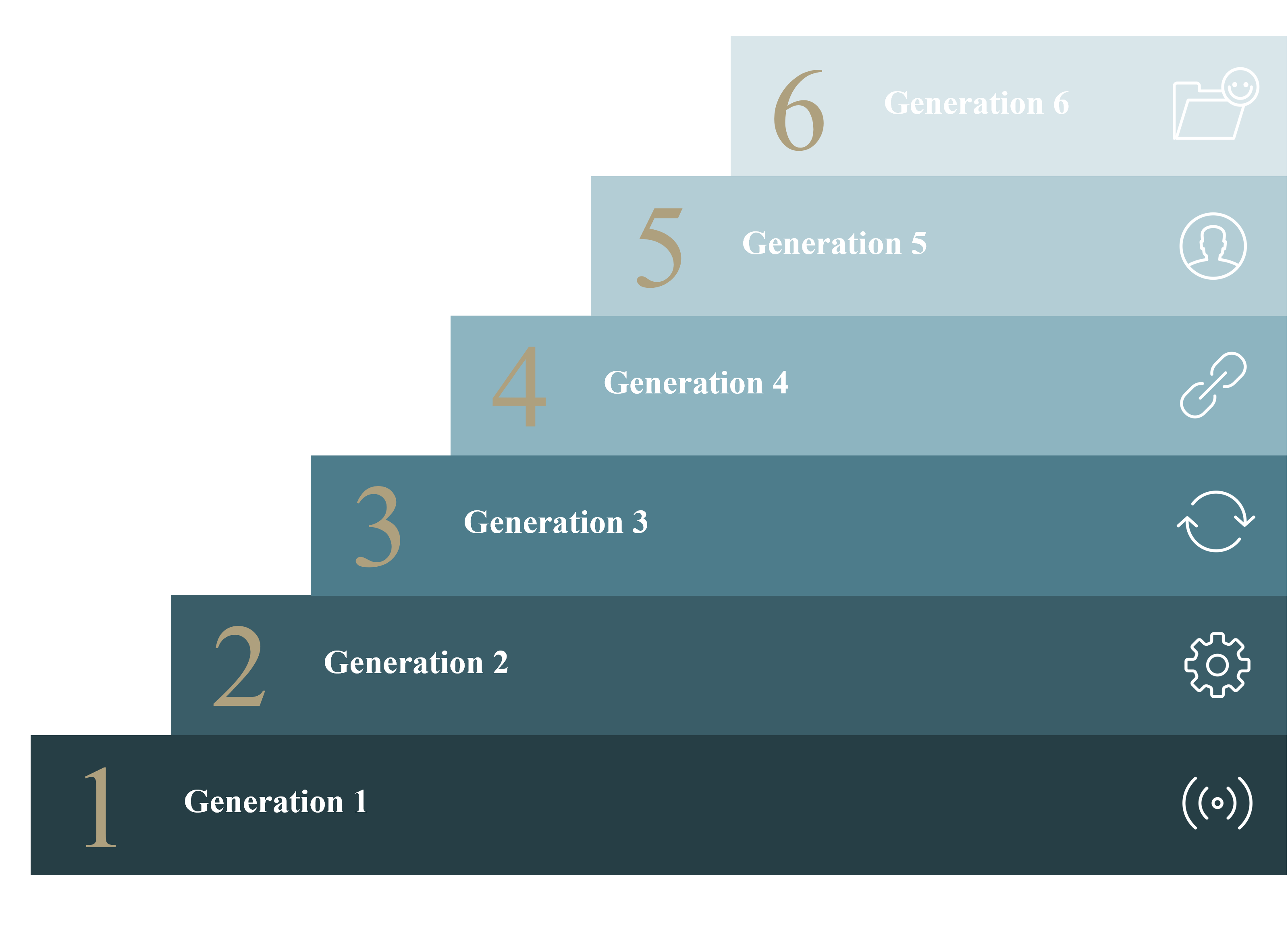
The Digital Maturity framework presents 6 different maturity levels. The levels are referred to as generations to emphasize that they build on one another while also coexisting. The framework is illustrated using a staircase – the generation staircase – and consists of 6 generations of digital maturity.

The framework shows how organizations can evolve from using digital technologies to support existing activities (Generation 1) to handling complex aspects such as data ethics, sustainability, and societal impact (Generation 6).

You can read more about the framework here

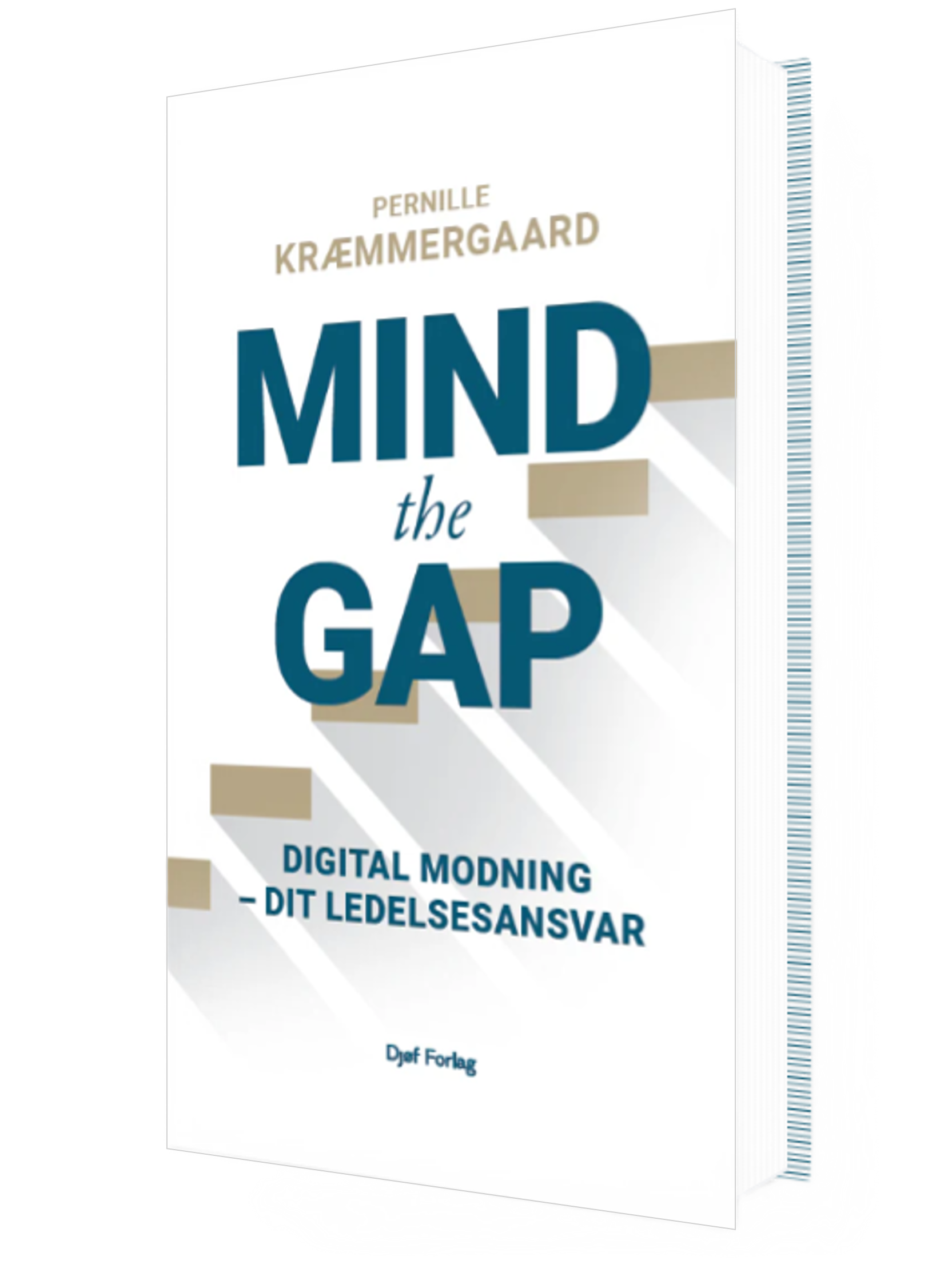
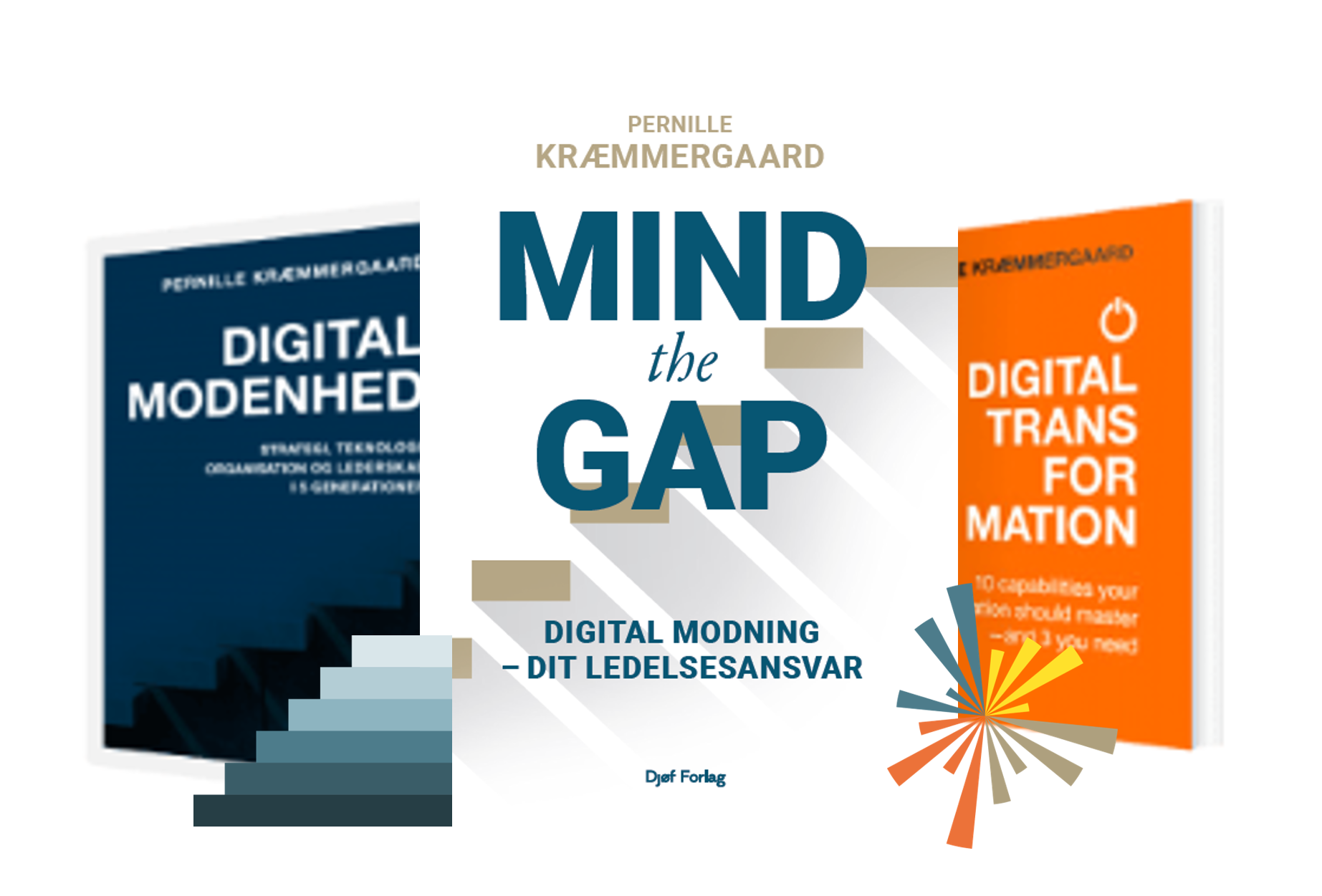
Or in the books Mind the Gap or Digital Maturity.

Organizational Capabilities

The Organizational Capabilities framework presents 4x4 organizational capabilities and managerial competencies within strategy, technology, organization, and leadership. These capabilities are essential for digitally maturing organizations and transforming existing practices.

The framework shows which organizational capabilities an organization needs to master in order to reach the upper levels of the generation staircase, as well as which managerial competencies and digital mindsets leaders need in this context.

You can read more about the framework here

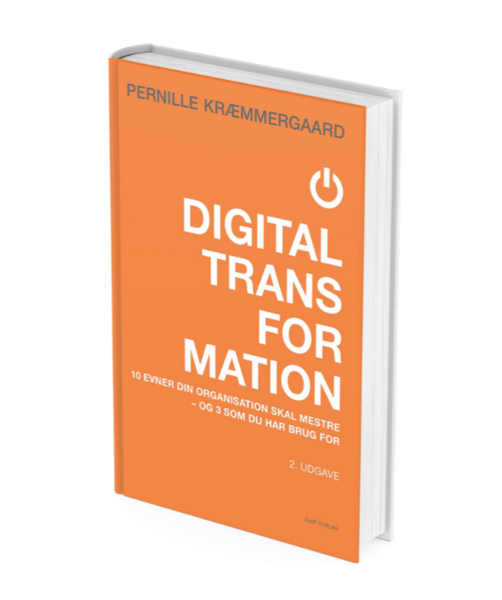
Or in the book Navigating Digital Transformation.

About the Book: “Mind the Gap – Digital Maturity, Your Leadership Responsibility”

Kræmmergaard, P. (2024) DI2X

“Please mind the gap between the train and the platform.” This is how the book Mind the Gap. Digital Maturity – Your Leadership Responsibility begins. It is also a phrase that Pernille Kræmmergaard uses several times throughout the book, but in a different context. For Kræmmergaard, it refers to the gap between an organisation’s capabilities and its digital maturity, and the demands and expectations placed on it by the surrounding world.

Digital technologies are constantly evolving, and their potential continues to grow. As a top executive, you must relate to this. Otherwise, the gap between what you can do and what you are expected to be able to do will become too large.
You must be able to mature your organisation digitally so that you see technologies as a strategic advantage capable of transforming your strategy, organisation, and your own leadership.

Mind the Gap explains how, by understanding digital development as six generations that build on each other while offering their own opportunities and challenges, you can mature and transform your company or organisation, remain relevant, and create growth.

The book is a handbook that, through two interconnected models – the Generation Staircase for Digital Maturity and Organizational Capabilities for Digital Transformation – gives you a deeper understanding of the opportunities of new technologies and how to execute and turn these opportunities into reality.

About the Book: “Navigate Digital Transformation – 4x4 Capabilities that Equip Your Organization and Strengthen Your Leadership”

Kræmmergaard, P. (2025) DI2X

In a time of rapid technological advances and increasing complexity, leaders face a crucial challenge: How do you navigate digital transformation in a way that not only optimizes what already exists but also creates radically new opportunities?

With Navigate Digital Transformation – 4x4 Capabilities that Equip Your Organization and Strengthen Your Leadership, Pernille Kræmmergaard provides a practical and in-depth guide to mastering both your organization’s and your own leadership’s digital maturity journey. This is a handbook for leaders at all levels who want to guide their organization safely and successfully into the future. By understanding digital maturity levels and developing organizational capabilities and leadership competencies, you can open the door to a future that unites opportunities with the sustainable use of digital technologies. The book is an evolution of Digital Transformation, 2nd edition. It is filled with examples and practice-oriented advice and helps you to:

  • Build a digital mindset that makes you curious about and engaged in digital technologies.
  • Develop strategies and structures that support sustainable digital transformation.
  • Strengthen your leadership and create an organization that can navigate and thrive in a digital age.

Whether you are just beginning your digital journey, have already taken the first steps, or have many years of experience, this book provides valuable tools and insights to help you lead your organization to the next level of digital maturity.

About the Book: “Digital Maturity – Strategy, Technology, Organization, and Leadership in 5 Generations”

Kræmmergaard, P. (2021) DI2X

When companies and organizations introduce new technology, it has a decisive impact on the company’s strategy and the way they organize themselves. Today, technologies are far more than tools that leaders can simply choose to invest in or not. They have become the foundation for new business models, new products, and new services, and they are transforming relationships with customers and citizens, with partners, and with employees’ daily work and professional roles.

Technology therefore offers exceptional opportunities to strengthen competitive position and meet customer and citizen expectations in new ways. But it also places new demands on your leadership.

Digital Maturity – Strategy, Technology, Organization, and Leadership in 5 Generations shows how technology has evolved in generations since the early days of digitalization, and what each stage of development demands in terms of new requirements for strategy, organization, and leadership.

As a leader, you do not need to be a technological expert. But you must understand how your company or organization can continuously create new value for customers and citizens through digital opportunities, and how this makes you an attractive and forward-looking workplace and a sought-after collaboration partner. Technology evolves whether you do or not. But you can choose to evolve with it—so you can see its potential to make the world better and create value, while avoiding its pitfalls.

This book is for all leaders who want to harness the power of technology in a way that aligns with their organization’s stage of digital development—while also pointing the way forward.

  • "Pernille Kræmmergaard’s illustration of the 16 organizational capabilities presented in the book is essential for digital transformation and constitutes a strong and concrete framework. It creates a shared understanding of the interplay between the most important elements, a common language in leadership, strengthens the digital mindset, and sets a clear direction for how digital transformation can be supported by organizational transformation. We use the book both as a guide and as a reference work for sustainable transformation. I can highly recommend it to anyone working with leadership, digital development, and those who want to secure their organization’s future relevance."

    Jakob Andersen, CIO, SOS International; Denmark

  • "I teach “Leadership of Digital Transformation and AI” and use this book because it is practice-oriented and theoretically robust. It helps leaders cultivate essential leadership capabilities and gives students a valuable framework and a common language for understanding digital transformation. Students find the book highly relevant for their organisations, and it is an absolute “must-have” in the AI era. It challenges readers while guiding them with concrete reflections, competencies, and actions. I can highly recommend the book to anyone working within this field."

    Peter Pietras, PhD and MBA in Strategy and Management. Assistant Professor – Copenhagen Business Academy, Denmark

  • “We are standing on the threshold of a digital paradigm shift, where success is measured by the ability to transform people and organisations. The digital future belongs to those who dare to understand, act, and lead change. The book Navigate Digital Transformation provides concrete tools – including the 4x4 organizational capabilities – to create durable solutions that address challenges such as labour shortages and rising demands, while creating value for citizens, employees, and society. This book is an invaluable guide for leaders who want to take responsibility and drive digital transformation. The future belongs to those who dare to act and lead change – and this book is an important guide on that journey.”

    Klaus Larsen, Deputy Director, Danish Health Data Authority; Denmark

  • “Through my work with methodology and consulting in large public agencies, I have experienced how crucial it is to have a common framework and language for development and digitalisation. This book places methodology in a broader context and provides concrete tools that make it easier to translate strategy into action. It is particularly valuable because it combines theory and practice in a pedagogical way and helps strengthen leadership, collaboration, and direction in complex organisations. I can highly recommend it to leaders and advisers who are navigating demanding transformation processes.”

    Sigurd Skjæveland, Managing Director, A-2 Norway

  • “In my work supporting municipalities and municipal services in dealing with external expectations and their own ambitions for development and digitalisation, I have seen a clear need for being concrete. This requires a shared language and solid tools that enable leadership to translate theory into everyday practice and to drive digital development themselves. I found all of this in the frameworks developed by Pernille Kræmmergaard, which are presented in the book Navigate Digital Transformation. These frameworks now form the foundation for the leadership development programme for municipal leaders in Norway.”

    Ann-Helen Moum, Director of Performance Management and Development, Norwegian Communications Authority (Nkom), Norway

  • “Digitalisation is driving a paradigm shift comparable to the transition to the industrial society. In this context, an organisation’s ability to develop the right capabilities within strategy, technology, organisation, and leadership is absolutely critical – and in some cases a matter of survival. The updated edition of Organizational Capabilities provides a framework that combines clear direction, a common language, and practical tools. An indispensable guide for leaders and organisations undergoing transformation.”

    Kjartan Vidvei, Business Support Manager, DeepOcean, Norway

  • “Fantastic to have a book that provides new energy! The 3rd edition of the book on Digital Transformation is impressively good. It covers everything required to succeed with digital transformation. The 3rd edition includes many new elements compared to previous editions. What used to be 4 and 5 maturity levels has now become 6 – and that makes perfect sense, because our world does not stand still. And the 16 capabilities are truly well-chosen and well explained. I would recommend it to all leaders – both in the public and private sector – who are working to transform their value creation model through digitalisation – and who isn’t? I dare say that every leader, regardless of role or experience, can benefit greatly from this book. I believe it can be an excellent tool for creating a shared understanding within a leadership team of what a digital transformation requires from the entire organisation.”

    Søren Barlebo Rasmussen, Managing Partner, Mobilize Strategy Consulting, Denmark

  • "A practical handbook for leaders and employees at all levels
    This book can be recommended to everyone – including board members. There is no topic that is not addressed in the book, and above all, everything is presented in a highly understandable way. Although the book is written by a former professor, you do not need to be a professor to read it. The book is written in clear and accessible language and covers all key aspects of digital transformation.
    It includes strong models and practical examples to learn from. It poses important questions – highly relevant questions that many ask themselves: What will your industry and company look like in ten years? What will customers expect? How can new technologies support new business models? How do you create a digital business strategy where the IT department participates in strategic business development rather than being reduced to technology geeks?
    Who can you find as partners in the ecosystem? How can you best use data and AI to develop your business opportunities? How well are you protected against cyberattacks? How do you create meaningful conditions for employees, and how do you ensure the return on investment in technology? And many other relevant questions.
    I have no doubt: This book deserves my warmest recommendations."

    Lilian Mogensen, professional board member and advisor, former Group Director at ATP and Udbetaling Danmark

linkedin facebook pinterest youtube rss twitter instagram facebook-blank rss-blank linkedin-blank pinterest youtube twitter instagram